Struck-by incidents are a leading hazard in construction. OSH Director Travis Parsons recently joined a panel of industry and safety experts to share how ITCPs keep workers on foot separate from moving vehicles and heavy equipment.
Watch the webinar here: youtube.com/watch?v=SeFZLcD_…
Mental health matters at work. Join this free webinar on Nov. 18 at 2 p.m. ET to learn practical strategies for supporting workers with co-occurring mental health conditions and substance use disorder while fostering a safer, healthier workplace.
Register now: askearn.org/event/supporting…
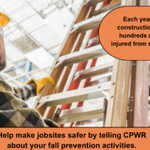
🚧 Falls remain one of the leading causes of serious workplace injuries and fatalities, but they are preventable. Whether you're working on a roof, ladder, or scaffold, always wear fall protection when working 6 feet or more above the ground.
Getting the right training and taking the proper precautions ensures everyone returns home safely at the end of the day.
Learn more: osha.gov/stop-falls
CPWR retweeted
Plan lifts to reduce worker strain: encourage lift teams! For more tips on reducing manual handling of heavy materials, see bestbuiltplans.org
Shared from @CPWR
🔊 Hearing loss from workplace noise is permanent, but it's also preventable. If you have to shout to be heard by a colleague, it may be time to assess noise levels and take steps to protect your hearing. Learn more about reducing workplace noise exposure and protecting your ears: osha.gov/noise
CPWR retweeted
After you find the job that fits, you also need to find the PPE that fits--and it can be a challenge! #WomenInConstruction
Women make up a small but important percentage of the U.S. construction industry, and face hazards due to PPE not fitting correctly. CPWR has resources here: tinyurl.com/yr27s8kj
🔥 It’s Fire Prevention Week! Take a moment to brush up on lithium-ion battery safety. Improper charging, storage, or damaged batteries can increase fire risks. Learn how to recognize hazards and protect workers: osha.gov/sites/default/files…
Floods can happen fast. Be ready before the waters rise. Have an evacuation plan, know the difference between flood watches and warnings, and make sure workers know what to do in an emergency. Preparedness today helps prevent injuries tomorrow. More: osha.gov/flood/preparedness
CPWR retweeted
Replying to @CPWR
@CPWR: The construction industry has one of the highest suicide rates compared to other industries, but this doesn't have to be the case. CPWR's Hazard Alert provides ways to help prevent suicide in construction & find support. Remember, you are not alone. tinyurl.com/y59rj9bx
CPWR retweeted
Replying to @CPWR
@CPWR: Mental health is just as important as physical health. Suicide in construction workers can be prevented -- CPWR has construction-specific resources here: cpwr.com/mentalhealth
CPWR retweeted
From CPWR: Best Built Plans Contractor Tip Sheet for Safe Materials Handling is now available. It's a simple, printable guide to using Best Built Plans without clicking through the online tool. Use it today: tinyurl.com/ys699xne
Shared from @CPWR
CPWR retweeted
Replying to @CPWR
@CPWR: In 2022, construction workers 51 years or older were less likely to report excellent to very good hearing than those in all industries (29% vs 47%) and 2.1 times more likely to report fair hearing. tinyurl.com/27pj2j2a
CPWR retweeted
Women in the construction industry face challenges finding PPE that fits properly. Poorly fitted PPE is ineffective and can lead to injuries. For examples of commercially-available PPE for women, visit: tinyurl.com/2ac7wf3j #roofersafety365
Trenching safety saves lives. Before anyone enters a trench, remember to: Slope It. Shore It. Shield It. Cave-ins can happen in seconds. OSHA has resources on proper protection, safe access, and inspections to help prevent incidents. Learn more: osha.gov/trenching
Opioid emergencies can happen anywhere, including at work. Our new fact sheet on opioid overdose reversal medications helps employers and workers recognize the signs of an overdose and respond quickly. osha.gov/news/newsreleases/o…
As SMACNA continues to participate in Suicide Prevention Month, we continue to offer resources that can help workplaces protect their teammates in the event of a mental health crisis.
The Center for Construction Research and Training provides a toolbox talk on warning signs a coworker may be showing and how to respond in a supportive way.
@CPWR
smacna.org/news/member-updat…
This is a heavy video of one of our apprentices in District Council 3, but it's so important that we share it. Construction has one of the highest rates of suicide in any industry, and more than 5,000 construction workers die by suicide each year, five times the number who die from fatal worksite injuries.
The IUPAT is committed to being there for each and every one of our brothers and sisters who suffer from mental health or substance use issues. Your union is here for you, please reach out if you ever need support.
CPWR retweeted
To be protected during and after a fall, it's critical that workers have the right length lanyard: tinyurl.com/y7sv8huy #roofersafety365
CPWR retweeted
Replying to @CPWR
@CPWR: The newest data bulletin from CPWR examines chronic health conditions among US workers, particularly of interest because construction workers face a variety of hazards and exposures. Check it out here: tinyurl.com/27pj2j2a
Prepare. Train. Respond.
During National Preparedness Month, review your workplace emergency plans and make sure workers know how to stay safe during emergencies. Get resources on evacuation, severe weather, natural disasters, and emergency response: osha.gov/emergency-preparedn…

ALT Graphic for OSHA National Preparedness Month, September 2026, titled 'Americans Stand Ready.' It encourages preparedness for disasters with steps like upholding patriotic duty, protecting family and friends, and helping communities. Tagline at bottom: 'Make a plan. Be in the know. Build a kit. Get involved.'


